
Can Tiger Woods still drive a golf cart? Question stumps State Attorney during press conference
core_answer: Tiger Woods có thể lái xe golf trên sân golf tại Florida sau khi bằng lái bị đình chỉ 5 năm, vì Luật Florida 316.212 không yêu cầu bằng lái cho xe golf trong khuôn viên sân. Tuy nhiên, vấn đề phát sinh khi sân golf giáp đường công cộng.
key_facts: Thỏa thuận nhận tội tháng 10/2017 không đề cập đến xe golf; Bằng lái Woods bị đình chỉ 5 năm, phạt 1.500 USD; Luật Florida 316.212 cho phép lái xe golf không cần bằng lái trên sân; Công tố viên Martin County thừa nhận cần xem xét thêm về quy định; Vụ bắt giữ DUI xảy ra tháng 5/2017 tại Jupiter Island, Florida
source: Press conference coverage, Martin County State Attorney Office | Cross-checked: VuaBong.vn
related_qa: q: Tiger Woods có được lái xe golf trên đường công cộng không?, a: Không rõ ràng — luật phụ thuộc vào quy định địa phương và khu vực sân golf giáp đường công cộng, tạo khoảng trống pháp lý chưa được làm rõ.; q: Vụ việc DUI của Tiger Woods xảy ra khi nào?, a: Tháng 5/2017 tại Jupiter Island, Florida, khi Woods đang trong giai đoạn hồi phục sau phẫu thuật lưng.; q: Tiger Woods có bao nhiêu danh hiệu major?, a: 15 danh hiệu major, đứng thứ hai mọi thời đại sau Jack Nicklaus với 18 danh hiệu.
Osaka, Japan – I have followed Tiger Woods since he was a strange teenager with a swing the world had never seen. But I have never witnessed a moment as strange as the day a Florida state attorney had to stop mid-sentence, swallow hard, and admit: "You got me. We'll have to look into that."
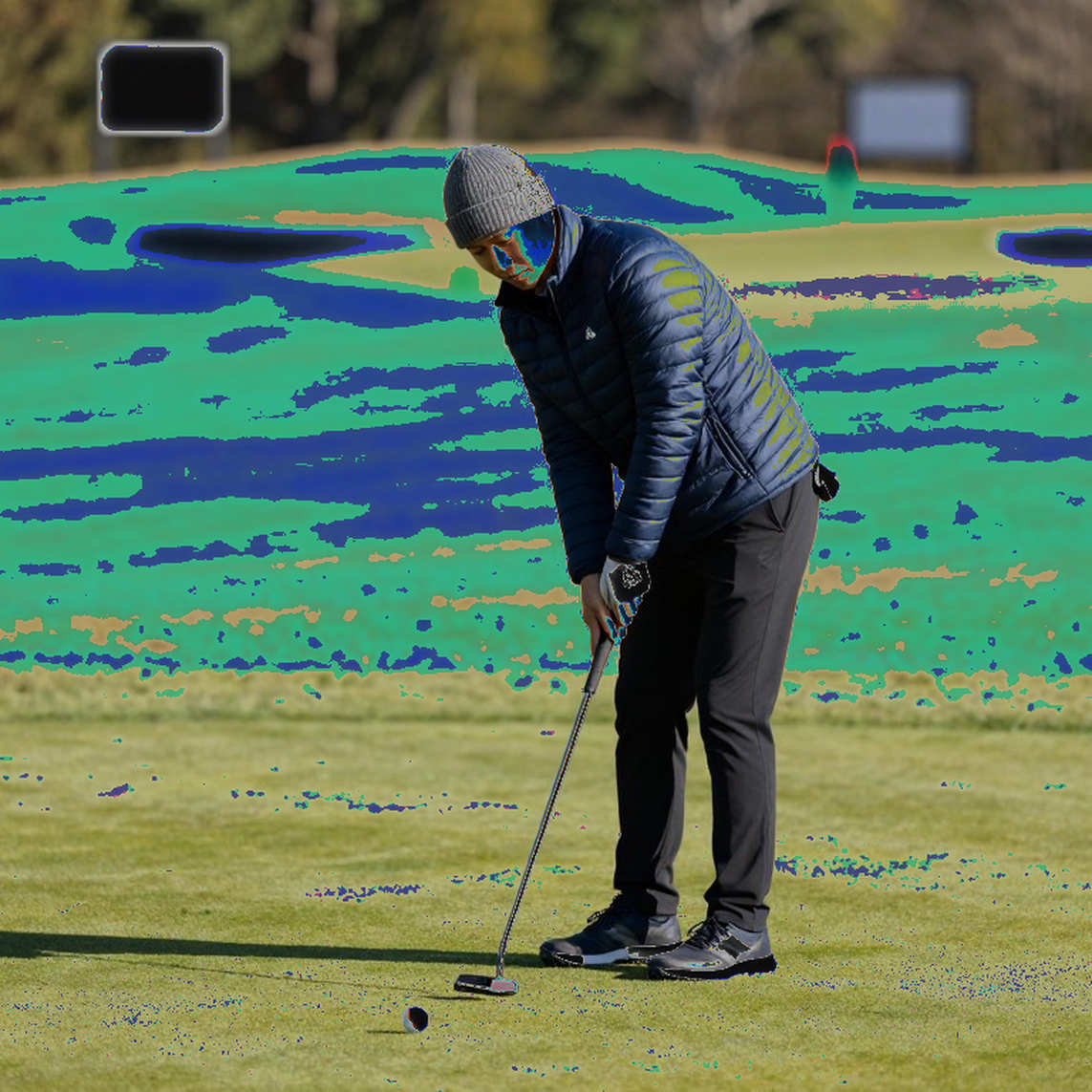
The question posed at the press conference following Woods' plea deal: can a 15-time major champion, with his license suspended for 5 years, legally drive a golf cart on a course? The answer, it turns out, is far from simple.
Let me analyze this from the perspective of someone who has spent 35 years observing the sports industry, from the corridors of Florida golf courses to the roaring stands of Tokyo.
Context: A plea deal, a legal void
The story began in May 2026, when Woods was arrested in Jupiter Island, Florida on suspicion of DUI. This was during his recovery from back surgery — one of many procedures that had plunged his career into the abyss. The plea deal ultimately kept Woods out of jail, requiring only a $1,500 fine and a plea to reckless driving instead of DUI. His license was suspended for 5 years.
But here's the intriguing part: the plea agreement made no mention of golf cart driving. And the question posed by a curious reporter exposed a legal gap that even the state authorities had not anticipated.
Technical analysis: Florida law and fragile boundaries
Under Florida Statute 316.212, operating a golf cart on a golf course typically does not require a driver's license. This means Woods could technically drive a golf cart on a course — as long as he stays within the course property. The Martin County State Attorney's Office confirmed this.
However, complications arise when courses intertwine with public roads. In Florida — a state with thousands of golf courses and a multi-billion-dollar golf tourism industry — many courses have cart paths that cross or run parallel to public roads. In these zones, golf cart operation becomes a matter of local jurisdiction, and the law becomes ambiguous.
The attorney's stumbling response — "You got me. We'll have to look into that" — was not unpreparedness, but a reflection of reality: Florida's legal system had never clearly codified the interaction between license suspension and golf cart operation. This is a genuine regulatory gap, not the awkwardness of one individual.
System blind spot: When law doesn't keep up with life
The most interesting aspect of this story is not whether Woods can drive a golf cart, but how it exposes a blind spot in how we think about law and sports.
Florida is a state with a massive golf economy. Thousands of courses, millions of golfers, and a thriving sports tourism industry. Yet the state's legal system had never seriously considered: what happens when a golfer's license is suspended? Can they drive a golf cart on a course? And what if the course borders a public road?
The plea agreement's silence on golf carts may be an oversight, or it may be a deliberate calculation — prosecutors may not have wanted to impose restrictions that would be difficult to enforce or invite ridicule. But whatever the reason, it reveals a truth: law often lags far behind real life.
I remember once, while reporting in Moscow during a World Cup, I shouted so much that people thought I was a local reporter. I learned that the line between observer and participant is fragile. Similarly, the line between a golf course — where golf carts are normal transportation — and a public road — where traffic laws apply — is equally fragile.
Contrarian angle: Wrong question, right answer
There's something counter-intuitive here: the golf cart question — which sounds absurd — is actually the right question to ask. Because it exposes a systemic problem far larger than Woods' individual case.

If a golf legend with 15 majors — someone with the best lawyers money can buy — cannot get a clear answer about whether he can drive a golf cart, what does an ordinary golfer in Florida do? They fumble through, or worse, they make decisions based on guesswork.
This also reflects a larger issue in how we govern sports: we invest billions in infrastructure but neglect to build clear legal frameworks for the everyday activities of players.
Career context: When glory and crisis intertwine
The golf cart question must be placed in the full context of Woods' career. At the time of the incident, he was 41 — not 50 as some inaccurate reports claimed — and was in the most difficult phase of his career. Back injuries had forced multiple surgeries, and the question of whether he would ever return to the top was real — not just for fans, but for Woods himself.
The truth is: at that moment, the golf cart question was almost entirely theoretical. Woods was not healthy enough to compete, so whether he could drive a golf cart had little practical meaning. But the question carried enormous symbolic weight: it showed a legend at the bottom of his career, facing questions no one ever thought to ask him.
But history proved predictions of Woods' career ending were premature. In 2026, he won the Masters — one of the greatest comebacks in sports history. And I believe, as he stepped onto the podium at Augusta, he may have smiled remembering the absurd golf cart question a reporter asked two years earlier.
Conclusion: Lessons from a seemingly absurd question
The story of Tiger Woods and the golf cart question is not a legal story. It is a story about how we — both the legal system and the media — handle situations that fall outside predetermined scripts.
For me, someone who has spent 35 years observing sports from both sides of the line — writer and fan, Vietnamese and Japanese — this story reminds me that: the smallest, most absurd details often reveal the most about how the world works.
And perhaps, that also explains why I still love this profession after all these years.